Email:info@wh-tape.com WhatsApp:+86 198 5922 4691


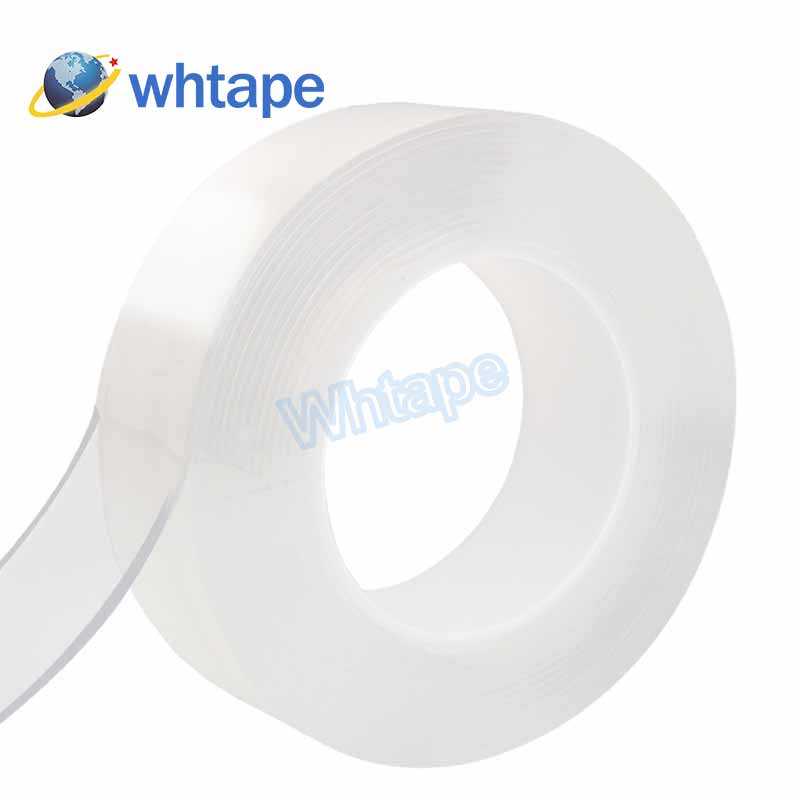


Buy Washable Sticky Nano Tape
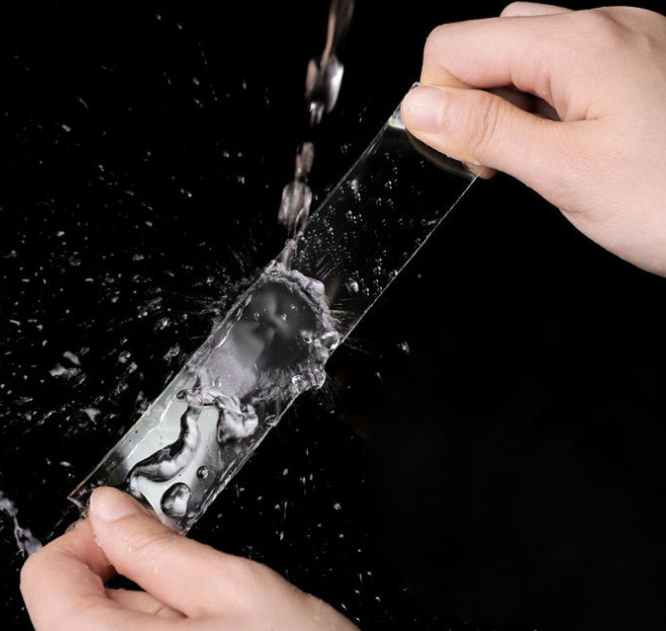
Reusable and Washable
No Residue or Damage
Transparent and Aesthetic
Cut-to-Size Flexibility
Nano tape is a revolutionary adhesive solution featuring microscopic suction cups on both sides. Reusable and residue-free, it adheres to surfaces firmly, allowing for easy mounting of objects. Its versatile, non-damaging grip makes it ideal for décor, organization, and temporary fixing without the need for traditional adhesives.
Applications:
Hanging Items: Nano tape can be used to hang lightweight items like posters, photos, and decorations on walls without the need for nails, hooks, or traditional adhesive tapes.
Cable Management: Nano tape can help secure cables and cords to walls, desks, or floors, keeping them organized and preventing tripping hazards.
Kitchen Use: It can be applied inside cabinets and drawers to keep items like utensils, cutting boards, and small appliances in place.
Car Accessories: Nano tape can be used in vehicles to hold items like phones, GPS devices, sunglasses, or small gadgets securely in place on the dashboard or console.
Securing Rugs: Nano tape can be used to prevent rugs from slipping on smooth surfaces, improving safety and preventing accidents.

Nano tape is designed to stick well to a variety of surfaces, but it performs best on smooth, non-porous surfaces. Here’s a breakdown of where it can and cannot stick:
Walls That Nano Tape Can Stick On:
- Glass: Nano tape adheres very well to glass surfaces due to their smooth texture.
- Metal: It sticks effectively to smooth metal surfaces like stainless steel and aluminum.
- Tiles: Ceramic or porcelain tiles provide a perfect non-porous surface for nano tape.
- Finished Wood: Surfaces that are varnished or painted are suitable for nano tape.
- Plastic: Smooth plastic surfaces are also compatible with nano tape.
Walls That Nano Tape May Not Stick On:
- Textured or Rough Surfaces: Surfaces like brick, stucco, or heavily textured walls reduce the tape’s effectiveness.
- Wallpaper: Depending on the type, nano tape might not adhere well to wallpaper and could potentially damage it when removed.
- Uneven Painted Walls: If the paint is chipping or uneven, the tape might not adhere properly.
- Dusty or Dirty Surfaces: Nano tape requires a clean surface to stick well, so dirty or dusty surfaces can be problematic.
- Porous Materials: Materials like concrete, plaster, or raw wood are not ideal because the adhesive can’t form a strong bond.
For optimal performance, it’s important to ensure that the surface is clean, dry, and smooth before applying nano tape.
Besides its adhesive properties, nano tape can also be used to create fun, inflatable bubbles, which is why it’s sometimes referred to as nano bubble tape. Here’s a simple method to create nano bubbles:
Method to Create Nano Bubbles with Nano Tape:
- Cut the Tape: Start by cutting a piece of nano tape to the desired length. The piece should be long enough to form a loop or shape that can trap air inside.
- Seal the Edges: Carefully fold the tape so that the adhesive sides meet, forming a sealed pocket of air. Ensure that the edges are firmly pressed together to prevent air from escaping. The shape you create can be a simple circle, an oval, or even a more complex shape, depending on your preference.
- Inflate the Bubble: To create the bubble, leave a small opening at one end of the taped loop. Gently blow air into the opening to inflate the bubble. Once the bubble has reached the desired size, quickly seal the opening by pressing the adhesive sides together.
- Shape and Play: Once inflated and sealed, you can mold the bubble slightly by pressing or stretching it, thanks to the flexible nature of the nano tape. These bubbles can be fun to play with or used as a creative display.
Tips:
- Ensure the edges are sealed properly to maintain the bubble’s shape.
- Experiment with different shapes and sizes for a variety of bubble designs.
Note: While creating nano bubbles is a fun activity, be mindful that they are delicate and may pop or deflate over time.
Inquiry: