Email:info@wh-tape.com WhatsApp:+86 198 5922 4691

What Makes Polyimide Tape Essential for High-Temperature Uses?
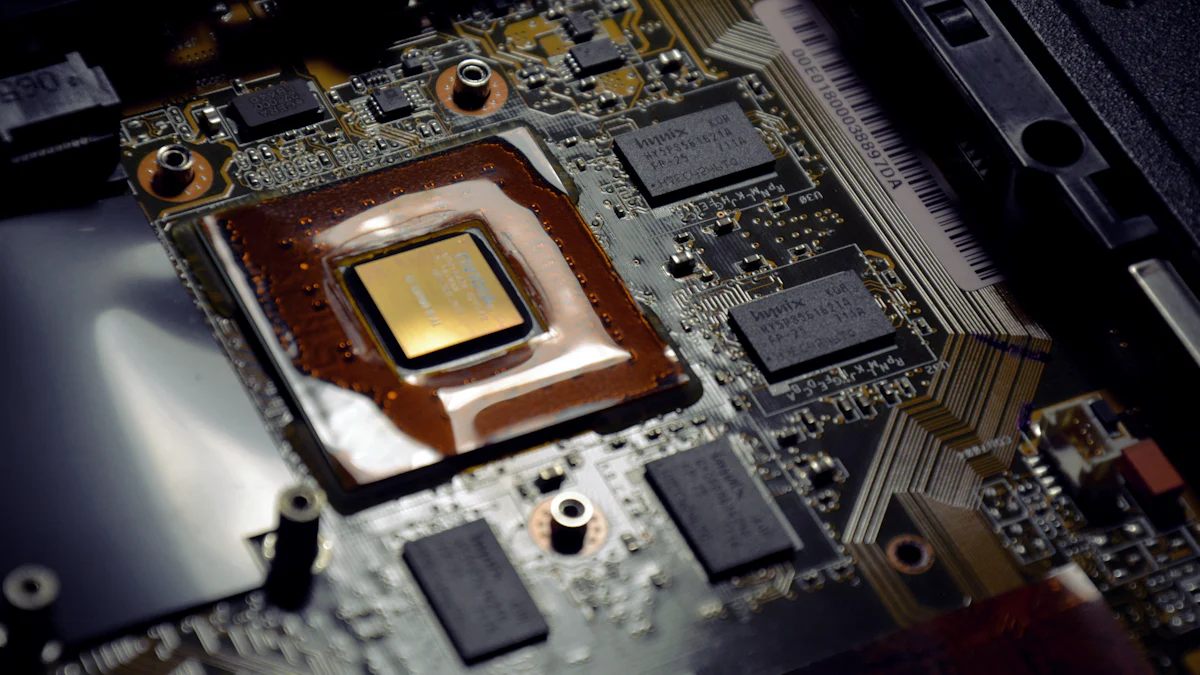
Polyimide tape serves as a crucial material in various high-temperature applications. This tape exhibits exceptional thermal stability, chemical resistance, and mechanical toughness. Industries such as aerospace, automotive, and electronics rely on polyimide tape for its ability to withstand extreme conditions. The demand for polyimide tape continues to grow, driven by the increasing need for reliable insulation and protection in high-temperature environments.
Understanding Polyimide Tape
What is Polyimide Tape?
Composition and Manufacturing Process
Polyimide tape consists of a polyimide film coated with a high-temperature silicone adhesive. Manufacturers produce the film through a polymerization process involving aromatic dianhydrides and diamines. This process results in a material with exceptional thermal stability and mechanical strength. The silicone adhesive enhances the tape’s ability to adhere to various surfaces, even under extreme conditions.
Key Properties
Polyimide tape exhibits several key properties that make it indispensable for high-temperature applications:
- Thermal Stability: Polyimide tape can withstand temperatures ranging from -269°C to 400°C without degrading.
- Chemical Resistance: Polyimide tape remains unaffected by acids, oils, and solvents, ensuring longevity in harsh environments.
- Electrical Insulation: Polyimide tape provides excellent dielectric strength, making it ideal for electrical and electronic applications.
- Mechanical Toughness: Polyimide tape offers high tensile strength and flexibility, allowing it to perform well under mechanical stress.
Historical Background
Development and Evolution
The development of polyimide tape began in the mid-20th century. Researchers sought materials that could endure extreme temperatures and harsh chemical environments. The introduction of polyimide films revolutionized industries requiring high-performance insulation and protection. Over the years, advancements in polymer chemistry and manufacturing techniques have enhanced the properties of polyimide tape, making it more versatile and reliable.
Key Milestones
Several key milestones have marked the evolution of polyimide tape:
- 1950s: Initial development of polyimide films for aerospace applications.
- 1960s: Introduction of commercial polyimide tape products.
- 1980s: Advancements in adhesive technology improved the performance of polyimide tape.
- 2000s: Widespread adoption of polyimide tape in electronics, automotive, and other high-tech industries.
Features of Polyimide Tape
High-Temperature Resistance
Temperature Range
Polyimide tape can endure a broad temperature range, making it suitable for extreme environments. The material remains stable from -269°C to 400°C. This wide range allows polyimide tape to perform reliably in both cryogenic and high-heat applications. Industries such as aerospace and automotive benefit significantly from this property.
Performance Under Extreme Conditions
Polyimide tape maintains its integrity under extreme conditions. The tape does not degrade or lose adhesion when exposed to high temperatures. This performance ensures that electrical components stay insulated and protected. The tape’s ability to withstand harsh environments makes it indispensable in critical applications.
Electrical Insulation
Dielectric Strength
Polyimide tape provides excellent dielectric strength. This property makes the tape an ideal choice for insulating electrical components. The tape prevents electrical shorts and ensures the safe operation of electronic devices. High dielectric strength is crucial for maintaining the reliability of sensitive equipment.
Applications in Electronics
Polyimide tape finds extensive use in the electronics industry. The tape insulates circuit boards and protects delicate components. Manufacturers use polyimide tape in the production of flexible printed circuits. The tape’s electrical insulation properties make it essential for ensuring the longevity and performance of electronic devices.
Chemical Resistance
Resistance to Solvents and Acids
Polyimide tape exhibits remarkable resistance to solvents and acids. This resistance ensures that the tape remains unaffected by harsh chemicals. Industries that involve exposure to aggressive substances rely on polyimide tape for its durability. The tape’s chemical resistance contributes to its long service life.
Longevity in Harsh Environments
Polyimide tape demonstrates exceptional longevity in harsh environments. The tape withstands exposure to UV radiation and corrosive chemicals. This durability makes polyimide tape a preferred choice for applications requiring long-term reliability. The tape’s ability to endure challenging conditions ensures consistent performance over time.
Applications of Polyimide Tape
Electronics and Electrical Engineering
Circuit Board Protection
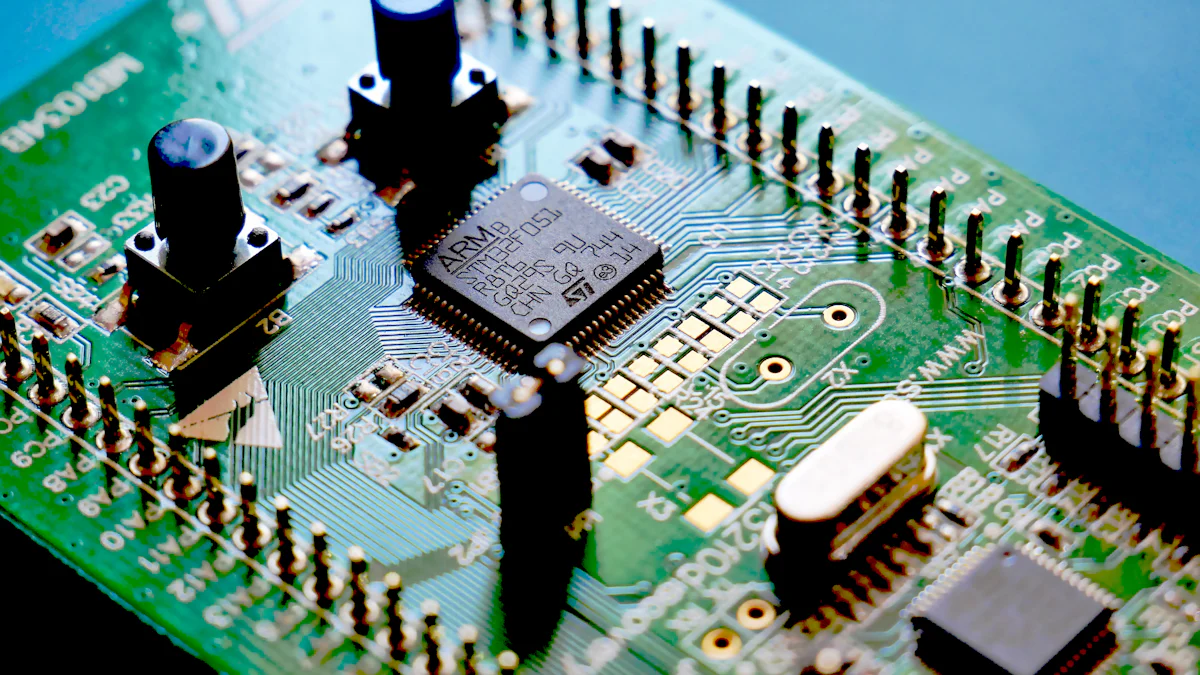
Polyimide tape plays a vital role in protecting circuit boards. The tape shields sensitive components from high temperatures during soldering processes. This protection prevents damage and ensures the longevity of electronic devices. Manufacturers rely on polyimide tape to maintain the integrity of circuit boards in various applications.
Insulation in Transformers and Motors
Polyimide tape provides excellent insulation for transformers and motors. The tape’s high dielectric strength ensures safe and efficient operation. Polyimide tape prevents electrical shorts and enhances the performance of these critical components. Industries depend on polyimide tape for reliable insulation in demanding environments.
Aerospace Industry
Thermal Insulation in Aircraft
Polyimide tape serves as an essential material for thermal insulation in aircraft. The tape withstands extreme temperatures and harsh conditions encountered during flight. Polyimide tape ensures the safety and efficiency of aircraft systems. Aerospace engineers use polyimide tape to insulate wiring, sensors, and other critical components.
Use in Space Missions
Space missions require materials that can endure extreme conditions. Polyimide tape meets these stringent requirements. The tape provides thermal insulation and protection against radiation. Polyimide tape ensures the reliability of spacecraft systems. Space agencies use polyimide tape in satellites, rovers, and other space exploration equipment.
Automotive Industry
Heat Shields and Insulation
Polyimide tape offers effective heat shielding and insulation in the automotive industry. The tape protects components from high temperatures generated by engines and exhaust systems. Polyimide tape enhances the durability and performance of vehicles. Automotive manufacturers use polyimide tape to ensure the safety and reliability of their products.
Applications in Electric Vehicles
Electric vehicles benefit significantly from polyimide tape. The tape provides insulation for battery packs and electrical systems. Polyimide tape ensures the efficient operation of electric vehicles under varying temperature conditions. The automotive industry relies on polyimide tape to enhance the performance and safety of electric vehicles.
Benefits of Using Polyimide Tape
Durability and Longevity
Cost-Effectiveness Over Time
Polyimide tape offers significant cost-effectiveness over time. The tape’s durability reduces the need for frequent replacements. Industries save money on maintenance and replacement costs. The long service life of polyimide tape ensures consistent performance. This reliability makes polyimide tape a valuable investment.
Reduced Maintenance Needs
Polyimide tape requires minimal maintenance. The tape’s resistance to harsh chemicals and extreme temperatures ensures longevity. Equipment protected with polyimide tape experiences fewer breakdowns. This reduction in maintenance needs translates to lower operational costs. Industries benefit from the reduced downtime and increased productivity.
Versatility
Adaptability to Various Applications
Polyimide tape adapts to various applications. The tape’s high-temperature resistance makes it suitable for diverse industries. Aerospace, automotive, and electronics sectors utilize polyimide tape for insulation and protection. The tape’s versatility ensures its effectiveness in different environments. This adaptability enhances the tape’s value across multiple fields.
Customization Options
Manufacturers offer customization options for polyimide tape. Clients can request specific widths, lengths, and adhesive types. Customization ensures that polyimide tape meets unique application requirements. This flexibility allows industries to optimize performance and efficiency. Tailored solutions make polyimide tape an essential component in specialized applications.
Comparisons with Other High-Temperature Tapes
Polyimide Tape vs. Polyester Tape
Temperature Resistance
Polyimide tape excels in high-temperature resistance. The tape can withstand temperatures ranging from -269°C to 400°C. This wide range makes polyimide tape suitable for extreme environments. Polyester tape, on the other hand, offers good thermal stability but cannot match the high-temperature range of polyimide tape. Polyester tape typically handles temperatures up to 150°C.
Electrical Properties
Polyimide tape provides excellent electrical insulation properties. The tape offers high dielectric strength, making it ideal for insulating electrical components. Polyester tape also provides good dielectric strength but leaves no residue upon removal. Polyimide tape remains the preferred choice for applications requiring superior electrical insulation and thermal stability.
Polyimide Tape vs. Teflon Tape
Chemical Resistance
Polyimide tape exhibits remarkable chemical resistance. The tape remains unaffected by acids, oils, and solvents. This resistance ensures longevity in harsh environments. Teflon tape, primarily composed of PTFE film, also offers excellent chemical resistance. However, polyimide tape provides better overall performance in terms of thermal stability and mechanical toughness.
Mechanical Strength
Polyimide tape stands out with its mechanical strength. The tape offers high tensile strength and flexibility. This allows polyimide tape to perform well under mechanical stress. Teflon tape also provides good mechanical properties but falls short compared to polyimide tape. Polyimide tape remains the preferred choice for applications requiring both high mechanical strength and thermal stability.
Polyimide tape offers unparalleled high-temperature resistance, electrical insulation, and chemical resistance. These features make polyimide tape indispensable for various industries. The ability to withstand extreme conditions ensures the reliability of polyimide tape in critical applications.
Future advancements may further enhance the properties of polyimide tape, expanding its utility. Selecting the right polyimide tape involves considering specific application requirements. Consulting with experts can ensure optimal performance and longevity.