Email:info@wh-tape.com WhatsApp:+86 198 5922 4691

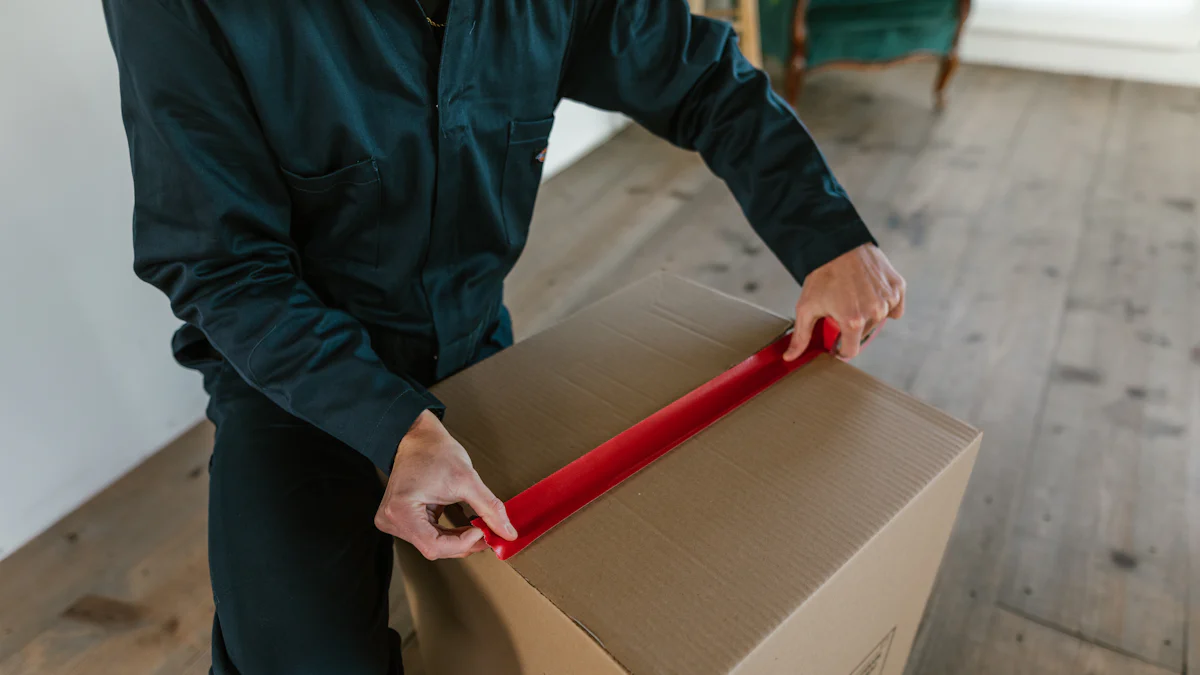
Aluminum butyl tape is a versatile tool you might find indispensable in various industries. This tape combines the strength of aluminum with the flexibility of butyl rubber, making it a reliable choice for sealing and insulation tasks. Its ability to form a robust barrier against moisture and environmental factors makes it crucial in construction, automotive, and industrial sectors. As demand for this tape grows, its market value is projected to reach an impressive 21.03 billion by 2031, highlighting its importance and relevance in today’s world.
Understanding Aluminum Butyl Tape
When you dive into the world of aluminum butyl tape, you’ll find it fascinating how its composition and properties make it a go-to solution for many sealing and bonding needs. Let’s break down what makes this tape so special.
Composition and Properties
Aluminum Layer
The aluminum layer in aluminum butyl tape serves as a robust backbone. This layer provides strength and durability, ensuring the tape can withstand various environmental conditions. Aluminum’s natural resistance to moisture makes it an excellent choice for outdoor applications. It acts as a shield, protecting the underlying surfaces from water penetration and other external factors.
Butyl Rubber Layer
On the flip side, the butyl rubber layer is where the magic happens. This adhesive layer offers exceptional tackiness, allowing the tape to stick firmly to a wide range of surfaces. Whether you’re dealing with metal, glass, or plastic, the butyl rubber ensures a tight bond. Its flexibility means it can conform to irregular surfaces, creating a seamless seal that stands the test of time.
Key Characteristics
Adhesive Strength
One of the standout features of aluminum butyl tape is its adhesive strength. You can rely on it to hold materials together securely, even under challenging conditions. This strength makes it ideal for applications where a reliable bond is crucial, such as in construction and automotive repairs.
Durability and Flexibility
Durability and flexibility are two more reasons why aluminum butyl tape is so popular. The combination of aluminum and butyl rubber creates a tape that doesn’t just last but also adapts to different shapes and surfaces. This flexibility ensures that the tape remains effective, even when surfaces expand or contract due to temperature changes.
Common Uses of Aluminum Butyl Tape
Aluminum butyl tape finds its way into many industries, thanks to its versatility and reliability. Let’s explore some of the common applications where you can put this tape to good use.
Construction Industry
In the construction world, aluminum butyl tape is a game-changer. You can use it for various sealing and insulating tasks.
Sealing Roofs and Gutters
When it comes to sealing roofs and gutters, aluminum butyl tape shines. Its waterproofing capabilities make it perfect for preventing leaks and water damage. You can apply it to seal joints and seams, ensuring that your roof remains watertight even during heavy rains. The tape’s resistance to UV rays and weathering adds an extra layer of protection, making it a reliable choice for outdoor applications.
Insulating Windows and Doors
Insulating windows and doors is another area where aluminum butyl tape excels. By applying the tape around window frames and door edges, you can create an airtight seal that keeps drafts out and maintains indoor temperatures. This not only enhances energy efficiency but also reduces heating and cooling costs.
Automotive Applications
In the automotive sector, aluminum butyl tape proves invaluable for both soundproofing and waterproofing tasks.
Soundproofing
If you’re looking to reduce noise in your vehicle, aluminum butyl tape can help. You can apply it to the interior panels and underbody components to dampen vibrations and minimize road noise. This creates a quieter and more comfortable ride, enhancing your driving experience.
Waterproofing
Waterproofing is crucial in automotive applications, and aluminum butyl tape delivers. You can use it to seal joints and seams in your vehicle, preventing water from seeping in and causing damage. Whether it’s sealing around windows, doors, or other vulnerable areas, this tape provides a reliable barrier against moisture.
Other Applications
Beyond construction and automotive uses, aluminum butyl tape serves various other purposes.
HVAC Systems
In HVAC systems, aluminum butyl tape plays a vital role in sealing ductwork. You can use it to ensure that air flows efficiently through the system without any leaks. This improves the overall performance of the HVAC system and helps maintain consistent temperatures throughout your space.
Marine Uses
For marine applications, aluminum butyl tape offers excellent sealing properties. You can apply it to boats and other watercraft to seal joints and seams, protecting them from water intrusion. Its resistance to extreme temperatures and weathering makes it a durable choice for marine environments.
Aluminum butyl tape stands out as a versatile and effective solution across various industries. Whether you’re sealing roofs, insulating windows, soundproofing vehicles, or maintaining HVAC systems, this tape provides the reliability and performance you need.
Advantages of Using Aluminum Butyl Tape
When you consider using aluminum butyl tape, you’ll find several compelling advantages that make it a top choice for many applications.
Waterproofing Capabilities
Resistance to Moisture
Aluminum butyl tape excels in resisting moisture. Its unique composition, combining aluminum and butyl rubber, creates a barrier that effectively keeps water out. This makes it perfect for sealing roofs, gutters, and other areas prone to leaks. You can trust it to protect your structures from water damage.
Long-lasting Seals
The tape’s ability to form long-lasting seals is another standout feature. Once applied, it maintains its integrity over time, even in harsh weather conditions. This durability ensures that your seals remain effective, reducing the need for frequent repairs or replacements.
Ease of Application
No Special Tools Required
One of the best things about aluminum butyl tape is how easy it is to apply. You don’t need any special tools or equipment. Just peel off the backing and press it into place. This simplicity makes it accessible for both professionals and DIY enthusiasts.
Quick Installation
Installation is quick and hassle-free. You can cover large areas in a short amount of time, making it ideal for projects with tight deadlines. Whether you’re working on a construction site or a home repair, you’ll appreciate how efficiently you can get the job done.
Cost-effectiveness
Affordable Material
Aluminum butyl tape offers an affordable solution without compromising quality. Its cost-effectiveness makes it a popular choice for large-scale projects where budget constraints are a concern. You get excellent performance at a fraction of the cost of other sealing materials.
Reduces Maintenance Costs
By using aluminum butyl tape, you also reduce maintenance costs. Its durability means fewer repairs and replacements, saving you money in the long run. This makes it a smart investment for anyone looking to maintain their property efficiently.
How to Install Aluminum Butyl Tape
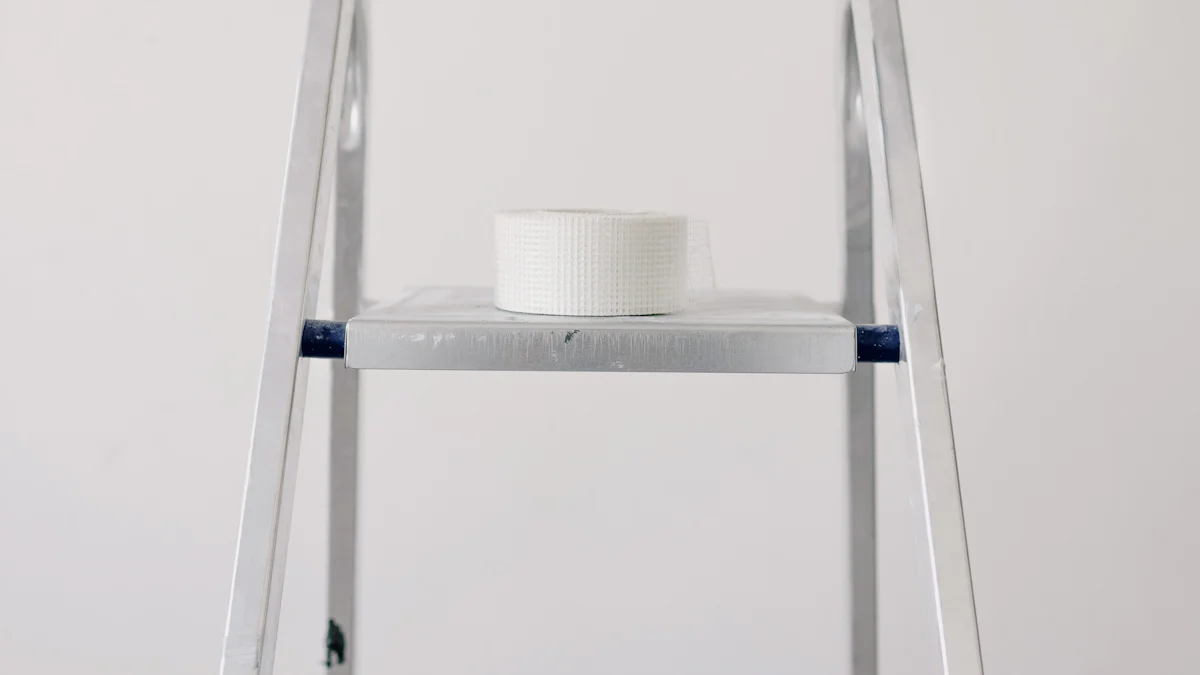
Installing aluminum butyl tape might seem daunting, but with the right steps, you can achieve a perfect seal. Let’s walk through the process to ensure you get the best results.
Preparation Steps
Surface Cleaning
Before you start, make sure the surface is clean. Dirt, dust, or grease can prevent the tape from sticking properly. Use a mild detergent and water to wash the area. Rinse thoroughly and let it dry completely. A clean surface ensures the tape adheres well and provides a long-lasting seal.
Measuring and Cutting
Next, measure the length of tape you need. Use a measuring tape for accuracy. Once you have the measurement, cut the aluminum butyl tape to size. A sharp utility knife or scissors works best for a clean cut. Precision in measuring and cutting helps avoid waste and ensures a neat application.
Application Process
Aligning the Tape
Now, it’s time to apply the tape. Start by peeling off a small section of the backing. Align the tape carefully with the area you want to seal. Make sure it’s straight and covers the entire seam or joint. Proper alignment is crucial for an effective seal.
Pressing and Sealing
Once aligned, press the tape firmly onto the surface. Use your fingers or a roller to ensure it sticks well. Apply even pressure to avoid air pockets. The combination of butyl rubber adhesive and aluminum foil backing provides a durable seal, as noted in various patents on waterproofing properties.
Post-Installation Tips
Checking for Air Bubbles
After applying the tape, check for air bubbles. These can compromise the seal. If you find any, use a pin to puncture them gently. Press the area again to ensure a tight bond. This step is vital for maintaining the tape’s integrity.
Ensuring Proper Adhesion
Finally, ensure the tape adheres properly. Run your hand along the edges to check for any loose spots. If needed, press down again to secure the tape. Regular inspections can help maintain the seal over time, reducing the need for repairs.
By following these steps, you can install aluminum butyl tape effectively. Whether you’re sealing a roof, insulating windows, or working on an automotive project, these tips will help you achieve a professional finish.
Recommendations and Best Practices
Choosing the Right Tape
Selecting the right aluminum butyl tape can make a big difference in your projects. Here’s what you need to consider:
Factors to Consider
- Application Needs: Think about where you’ll use the tape. For metal roofing, a tape with high durability and weather resistance is essential. Aluminum foil butyl tape is highly recommended for metal roofing due to its watertight properties.
- Environmental Conditions: Consider the environment. If you’re dealing with extreme temperatures or UV exposure, choose a tape known for its resistance to these elements.
- Surface Compatibility: Ensure the tape adheres well to the surfaces you’re working with, whether it’s metal, glass, or plastic.
Quality Brands
Look for brands that are known for quality and reliability. Trusted brands often provide better performance and longer-lasting results. Investing in a reputable brand can save you time and money in the long run.
Maintenance and Care
Proper maintenance ensures your aluminum butyl tape performs at its best. Here’s how you can keep it in top shape:
Regular Inspections
Regularly inspect the areas where you’ve applied the tape. Check for any signs of wear or damage. Early detection of issues can prevent bigger problems down the line.
Repairing Damages
If you notice any damage, address it promptly. Remove the damaged section and apply a new piece of tape. This ensures the seal remains effective and prevents further deterioration.
By following these recommendations and best practices, you can maximize the effectiveness and longevity of aluminum butyl tape in your projects. Whether you’re sealing a roof or insulating windows, these tips will help you achieve the best results.
You’ve explored the versatile world of aluminum butyl tape, understanding its composition and key characteristics. This tape stands out for its strong adhesive properties and durability, making it a go-to solution in construction, automotive, and other industries. Its ease of application and cost-effectiveness add to its appeal. By choosing the right tape and following best practices, you can maximize its benefits. Whether you’re sealing roofs or insulating windows, aluminum butyl tape offers a reliable and efficient solution for your needs.
Contact Us
Whtape manufacture good quality and affordable aluminum butyl tape.