Email:info@wh-tape.com WhatsApp:+86 198 5922 4691

Guide to Choosing the Best Electrical Tape Manufacturer

Choosing the right electrical tape manufacturer holds immense importance. A reliable manufacturer ensures safety, quality, and performance in electrical applications. High-quality electrical tape prevents accidents and enhances the longevity of electrical systems. Trustworthy manufacturers adhere to industry standards and provide products that meet rigorous testing criteria.
Understanding Electrical Tape

Definition and Purpose
What is Electrical Tape?
Electrical tape serves as a crucial component in electrical applications. Manufacturers design this sticky tape to insulate wires and other conductive materials. The primary material used in electrical tape is non-corrosive, ensuring long-term reliability. Special electrical grade adhesives prevent corrosion, making the tape safe for prolonged use.
Common Uses and Applications
Electrical tape finds use in various settings. Professionals employ it to insulate electrical wires, offering protection against short circuits and electrical shocks. Homeowners use it for minor repairs and DIY projects involving electrical components. Industrial sectors rely on it for maintaining machinery and equipment. The versatility of electrical tape makes it indispensable in both residential and commercial environments.
Types of Electrical Tape
Vinyl Electrical Tape
Vinyl electrical tape stands out as the most common type. It offers excellent insulation properties and flexibility. This type of tape can withstand a wide range of temperatures, making it suitable for various applications. Vinyl tapes often come in different colors, each signifying specific uses or voltage levels.
Rubber Electrical Tape
Rubber electrical tape provides superior moisture resistance. This feature makes it ideal for outdoor applications or environments exposed to water or humidity. Rubber tapes also offer high dielectric strength, ensuring effective insulation even under challenging conditions.
Mastic Electrical Tape
Mastic electrical tape combines a rubber backing with a mastic adhesive layer. This combination provides exceptional sealing properties, making it perfect for protecting connections from moisture and contaminants. Mastic tapes are often used in telecommunications and underground cabling projects.
Specialty Electrical Tapes
Specialty electrical tapes cater to specific needs beyond standard insulation requirements. High-temperature tapes can endure extreme heat without losing adhesive strength or insulating properties. Flame-retardant tapes provide additional safety by preventing the spread of fire along wire bundles or cable harnesses.
Choosing the right type of electrical tape depends on the specific application requirements. Each type offers unique benefits tailored to different scenarios, ensuring optimal performance and safety.
Key Factors in Choosing an Electrical Tape Manufacturer
Quality and Standards
Industry Standards and Certifications
A reputable electrical tape manufacturer adheres to established industry standards. These standards ensure the safety and effectiveness of electrical tapes. Look for certifications such as IEC, CSA, or UL 510. These certifications indicate compliance with rigorous testing criteria. Certified products provide peace of mind regarding safety and performance.
Quality Control Processes
Effective quality control processes distinguish a reliable electrical tape manufacturer. Manufacturers should implement stringent quality checks at every production stage. Consistent product quality results from meticulous inspections and testing procedures. High-quality control measures prevent defects and ensure long-lasting performance.
Product Range and Customization
Variety of Products Offered
A diverse product range signifies a versatile electrical tape manufacturer. Different applications require specific types of electrical tapes. Manufacturers offering vinyl, rubber, mastic, and specialty tapes cater to various needs. A wide selection allows customers to choose the most suitable product for their requirements.
Customization Options
Customization options enhance the value provided by an electrical tape manufacturer. Tailored solutions meet unique application demands effectively. Manufacturers offering custom sizes, colors, or adhesive properties demonstrate flexibility. Customized products address specific challenges faced by different industries.
Reputation and Reliability
Customer Reviews and Testimonials
Customer reviews offer valuable insights into an electrical tape manufacturer’s reliability. Positive testimonials reflect customer satisfaction with product quality and service. Reviews highlight strengths such as durability, ease of use, or exceptional insulation properties. Consider feedback from various sources to gauge overall reputation.
Industry Experience and Track Record
An experienced electrical tape manufacturer brings expertise to the table. A solid track record indicates consistent performance over time. Long-standing manufacturers have refined their processes for optimal results. Experience translates into better understanding of market needs and technological advancements.
Pricing and Value
Cost-Effectiveness
Cost-effectiveness plays a crucial role in selecting an electrical tape manufacturer. Manufacturers offering competitive pricing without compromising quality provide significant value. Affordable electrical tapes reduce overall project costs while maintaining safety standards. Evaluating the price-to-performance ratio helps identify cost-effective options.
Long-Term Value
Long-term value extends beyond initial purchase costs. High-quality electrical tapes from reputable manufacturers ensure durability and reliability. Investing in superior products minimizes maintenance expenses and replacement frequency. Long-lasting performance translates into better return on investment over time.
Evaluating Technical Specifications
Adhesive Strength
Importance of Adhesive Quality
Adhesive quality plays a critical role in the performance of electrical tape. High-quality adhesive ensures that the tape remains securely attached to surfaces, providing consistent insulation. Reliable adhesion prevents the tape from peeling or lifting, which could lead to exposure of conductive materials and potential hazards.
Testing Adhesive Strength
Testing adhesive strength involves assessing how well the tape sticks under various conditions. Manufacturers often conduct peel tests to measure the force required to remove the tape from a surface. This testing helps determine if the adhesive can withstand environmental factors such as moisture, heat, and mechanical stress.
Temperature Resistance
Operating Temperature Range
The operating temperature range indicates the temperatures within which electrical tape maintains its properties. Tapes with a broad temperature range offer versatility for different applications. For instance, vinyl tapes typically perform well in both low and high temperatures, making them suitable for diverse environments.
High-Temperature Applications
High-temperature applications demand tapes that can endure extreme heat without degrading. Specialized high-temperature tapes retain their adhesive strength and insulating properties even when exposed to elevated temperatures. These tapes are ideal for use in industrial settings where equipment generates significant heat.
Electrical Insulation Properties
Dielectric Strength
Dielectric strength measures an electrical tape’s ability to resist electric breakdown. A higher dielectric strength indicates better insulation capabilities, preventing current leakage and ensuring safety. Manufacturers test dielectric strength by applying increasing voltage until breakdown occurs, ensuring that the tape meets stringent safety standards.
Insulation Resistance
Insulation resistance refers to an electrical tape’s capacity to resist current flow through its material. High insulation resistance ensures minimal current leakage, maintaining effective insulation over time. Testing involves measuring resistance under specific conditions to verify that the tape provides reliable protection against electrical faults.
Evaluating these technical specifications helps identify superior electrical tapes that meet rigorous performance criteria. Choosing products with strong adhesive quality, robust temperature resistance, and excellent insulation properties ensures optimal safety and efficiency in electrical applications.
Practical Tips for Making the Final Decision
Requesting Samples
Importance of Testing Samples
Testing samples provides critical insights into product quality. Manufacturers often offer sample tapes to potential customers. Evaluating these samples helps determine if the tape meets specific requirements. Sample testing ensures that the tape performs well in real-world conditions.
What to Look for in Samples
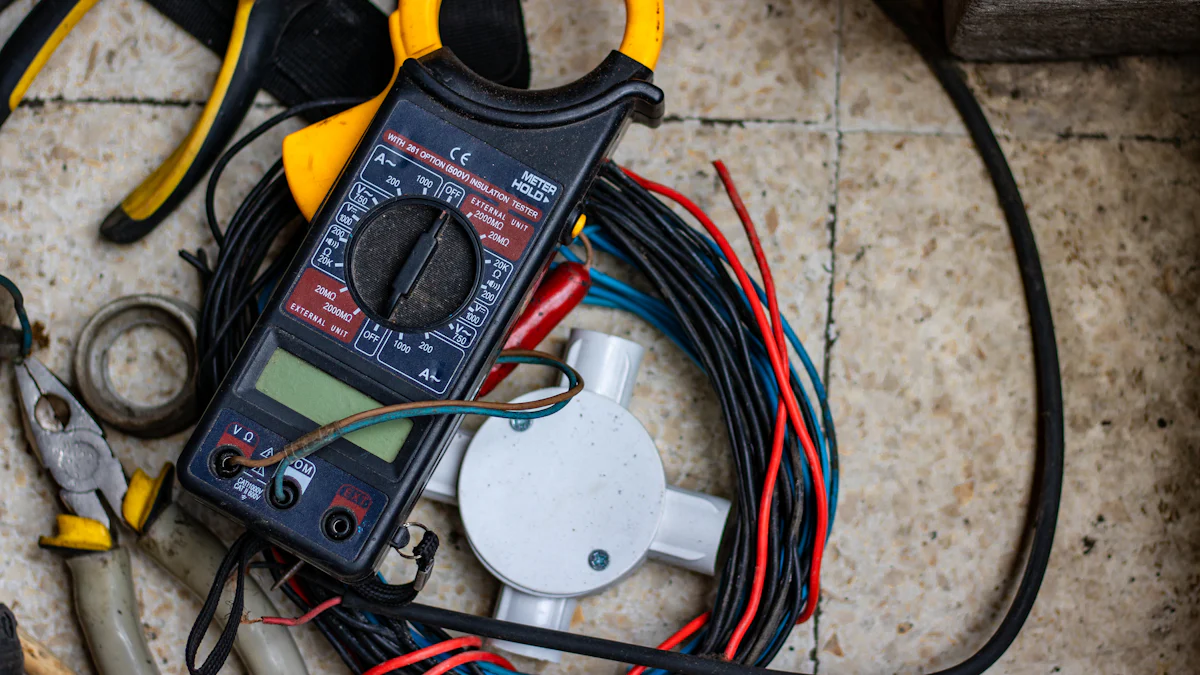
When examining samples, focus on key attributes. Check adhesive strength by applying and removing the tape from various surfaces. Inspect the tape’s flexibility and elasticity under different temperatures. Assess the insulation properties by using a multimeter to measure resistance. High-quality samples will exhibit consistent performance across all tests.
Comparing Multiple Manufacturers
Creating a Comparison Chart
A comparison chart simplifies the evaluation process. List all potential manufacturers along with their product features and specifications. Include factors such as adhesive strength, temperature resistance, and dielectric strength. A visual comparison highlights differences and aids in making an informed decision.
Key Comparison Criteria
Key criteria should guide your comparison:
- Adhesive Quality: Evaluate how well the tape adheres to surfaces.
- Temperature Range: Consider tapes that perform well in extreme temperatures.
- Dielectric Strength: Ensure high insulation capabilities.
- Customer Reviews: Look for feedback on durability and reliability.
- Certifications: Verify compliance with industry standards like IEC or UL 510.
Seeking Expert Advice
Consulting Industry Experts
Industry experts provide valuable insights based on experience and knowledge. Reach out to professionals who have used various electrical tapes in different applications. Their recommendations can help identify reliable manufacturers and high-quality products.
Utilizing Online Resources
Online resources offer extensive information about electrical tapes and manufacturers. Websites, forums, and review platforms contain user experiences and expert opinions. Utilize these resources to gather comprehensive data before making a final decision.
Choosing the best electrical tape manufacturer involves thorough research and careful evaluation of samples, comparisons, expert advice, and online resources ensure an informed choice that guarantees safety, quality, and performance in electrical applications.
Choosing the right electrical tape manufacturer ensures safety, quality, and performance. Use the outlined criteria to make an informed decision. Evaluate manufacturers based on quality, product range, reputation, pricing, and technical specifications. Testing samples and consulting experts provide additional assurance. Prioritize safety and reliability in every selection to achieve optimal results in electrical applications.
Contact Us Now