Ever been in a sticky situation—literally—where your tape just won’t hold? You’re not alone. The market is flooded with tapes of varying quality, and it’s easy to get stuck with a dud.
The key to avoiding such pitfalls is knowing how to differentiate between high-quality and low-quality tapes. And that’s exactly what we’re diving into today.
So, buckle up, or should I say, tape up? We’re about to unroll some serious knowledge.
What Makes a High-Quality Tape?
First off, let’s talk about the components that make a tape worth sticking to.
Material Composition
The material of the tape is the backbone of its quality. Whether it’s polyethylene, cloth, or even some fancy aerospace-grade material, the material determines the tape’s primary characteristics.
Adhesive Strength
Next up is adhesive strength. A tape is only as good as its stickiness, right? The adhesive should be strong enough to hold but not so strong that it damages the surface it’s sticking to.
How to Test Tape Quality?
Now that we know what to look for, how do we actually test these factors?
The Stretch Test
One simple test is the stretch test. Take a piece of tape and try stretching it. A high-quality tape will have a certain level of elasticity.
The Stickiness Test
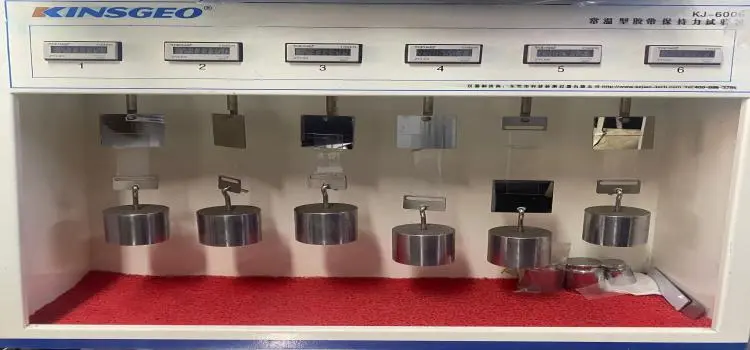
Another test is the stickiness test. Apply the tape to different surfaces and see how well it holds. If it falls off easily, you might want to stick to another brand.
Why Should You Care About Tape Quality?
You might be wondering, “Why all this fuss about tape quality?”
Longevity and Reliability
Firstly, a high-quality tape is more reliable and lasts longer. This means fewer replacements and less waste.
Cost-Effectiveness
Secondly, while high-quality tapes might be more expensive upfront, they can save you money in the long run by reducing the need for frequent replacements.
Common Mistakes in Judging Tape Quality
We all make mistakes, but when it comes to tape, some errors are just too sticky to ignore.
Ignoring Material
One common mistake is ignoring the material composition. Don’t just go for the cheapest option; consider the material’s quality and suitability for your needs.
Overlooking Adhesive Strength
Another mistake is overlooking the adhesive strength. Always test the tape’s stickiness before making a bulk purchase.
How to Choose the Right Supplier for Quality Tapes?
Last but not least, let’s talk about where to get these high-quality tapes.
Research and Reviews
Do your homework. Look for suppliers with good reviews and a solid reputation in the industry.
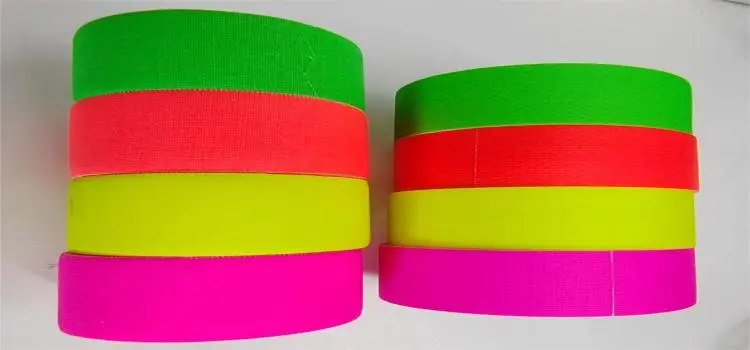
Above picture is neon tape, also called fluorescent tape from Whtape. They looks alike but the left on is made of cotton and the right on is made of cloth for different applications. They are matte and will not reflect light so they are suitable for stage marking, KTV marking etc.
Sample Testing
Always ask for samples and conduct your own quality tests. This will give you a firsthand experience of the product’s quality.
Whtape offers stable high quality various adhesive tape and protective film with test reports.
Conclusion
Differentiating tape quality is not just a sticky subject; it’s an essential skill for anyone in the tape business. From material composition to adhesive strength, knowing what to look for can save you time, money, and a whole lot of hassle.
So, the next time you find yourself in a sticky situation, you’ll know exactly which tape to stick with.